
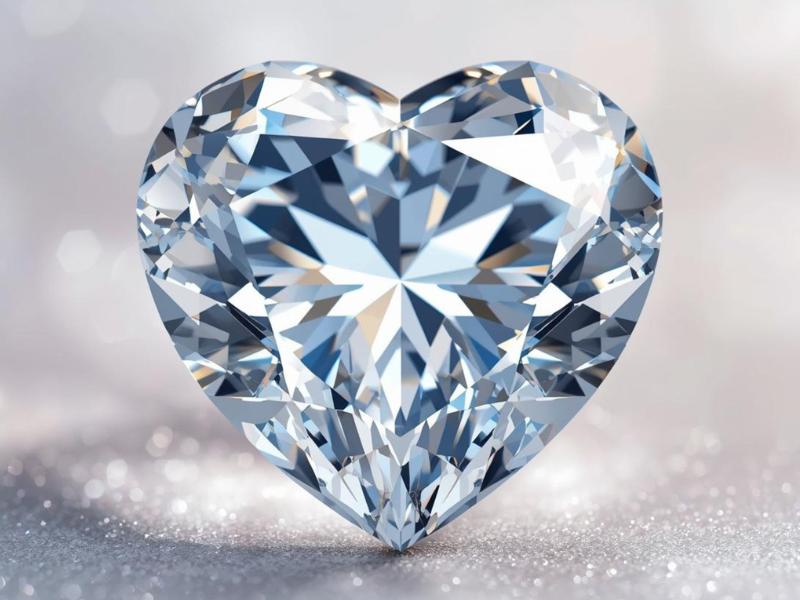
Buying a diamond is a special moment. Whether you’re purchasing an engagement ring, wedding band, diamond earrings, or a gift for someone you love, you want to be sure you’re getting the real thing. Unfortunately, fake diamonds and diamond look-alikes are more common than many people realize.
The good news is that you don’t always need expensive equipment to perform an initial check. There are several simple methods that can help you identify whether a diamond is likely to be genuine. While these tests are useful, remember that the most accurate confirmation always comes from a certified jeweler.
In this guide, you’ll learn how to tell if a diamond is real, which home tests actually work, common myths to avoid, and when it’s time to seek professional verification.
Why It Is Important to Check if a Diamond Is Real
A real diamond is more than just a beautiful gemstone. It represents love, commitment, memories, and often a significant financial investment.
Checking a diamond’s authenticity helps you:
- Protect your investment.
- Avoid counterfeit stones.
- Buy with confidence.
- Understand the true value of your jewelry.
- Make future resale or insurance easier.
If you’re shopping online or buying a pre-owned diamond, verifying authenticity becomes even more important.
1. Try the Fog Test
The fog test is one of the easiest ways to check a diamond at home.
How to Do It
Hold the diamond close to your mouth and breathe on it as if you’re fogging up a mirror.
What Happens?
A genuine diamond disperses heat very quickly, so the fog should disappear within one or two seconds.
If the fog stays longer, the stone may not be a real diamond.
Remember: Temperature and humidity can affect the result, so don’t rely on this test alone.
2. Read Through the Diamond
Diamonds bend light differently from glass or cubic zirconia.
Place a loose diamond on top of a newspaper or printed page.
If you can clearly read the text through the stone, it is probably not a real diamond.
A genuine diamond scatters light, making the letters difficult or impossible to read.
3. Observe the Sparkle
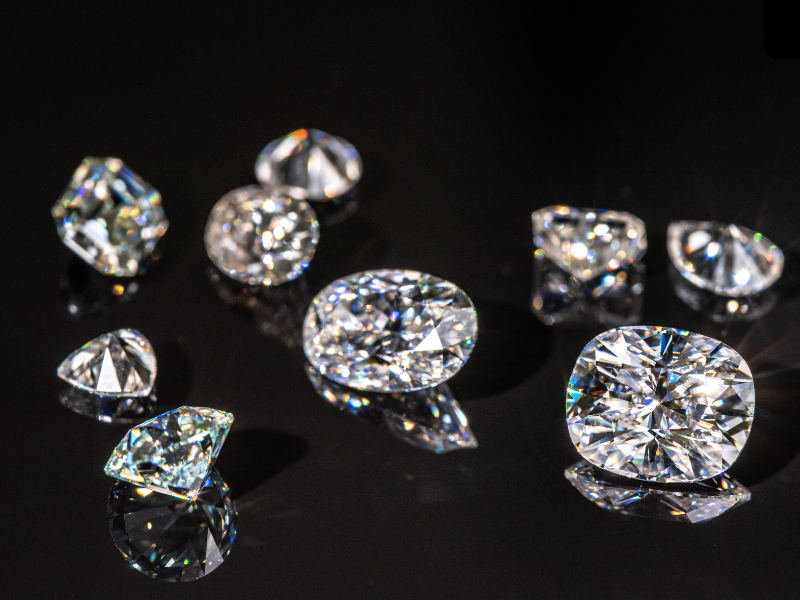
One of the easiest things to notice is how the stone reflects light.
A real diamond produces:
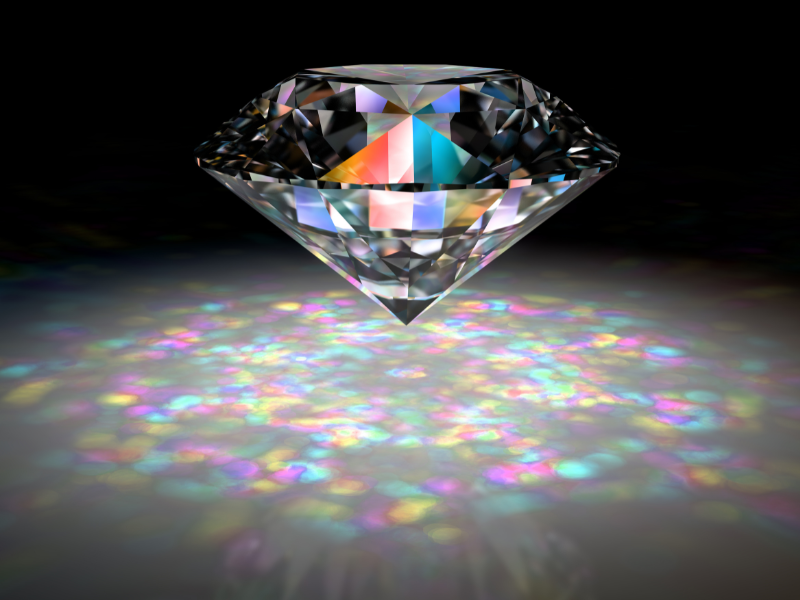
- Bright white light (brilliance)
- Small flashes of rainbow colors (fire)
Fake diamonds often produce too much rainbow sparkle and less white brilliance.
View the stone under both daylight and indoor lighting for the best comparison.
4. Inspect the Jewelry Setting
Real diamonds are usually mounted in high-quality metals.
Look for markings such as:
- 10K
- 14K
- 18K
- 585
- 750
- Platinum
- PT
A large “diamond” placed in cheap metal should raise questions.
Although this doesn’t guarantee authenticity, it’s an important clue.
5. Use a Magnifying Glass or Jeweler’s Loupe
Professional jewelers use a 10x magnifying loupe.
Natural diamonds usually contain tiny internal imperfections called inclusions.
If the stone looks perfectly flawless under magnification, it could be:
- Cubic Zirconia
- Glass
- Moissanite
- A lab-grown diamond
Keep in mind that some high-quality natural diamonds also have very few inclusions, so combine this method with others.
6. Perform the Water Test
The water test is another simple method.
Steps
- Fill a clear glass with water.
- Carefully drop the loose stone into the glass.
Results
Because diamonds are very dense, a genuine diamond usually sinks straight to the bottom.
Many fake stones also sink, so this test alone cannot confirm authenticity. It should only be used as an additional indicator.
7. Try the Dot Test
This is a popular DIY test.
Draw a small black dot on a piece of white paper.
Place the loose diamond flat over the dot.
If you can clearly see the dot through the stone, it is likely not a genuine diamond.
Real diamonds scatter light, making the dot difficult to see.
8. Check Under UV Light
Many natural diamonds glow blue under ultraviolet (UV) light.
If your diamond shows a blue glow, it may be genuine.
However, not all real diamonds fluoresce, and some fake stones can also glow.
This test is helpful but should never be used by itself.
9. Avoid the Scratch Test
You may have heard that real diamonds scratch glass.
While diamonds are extremely hard, this is not a recommended test.
Why?
- It can damage your jewelry.
- Some fake stones can also scratch glass.
- It does not prove authenticity.
Professional jewelers rarely use this method today.
10. Get Professional Verification
The most reliable way to know if a diamond is real is to have it examined by a certified jeweler.
Professionals use advanced tools such as:
- Diamond testers
- Microscopes
- Thermal conductivity testers
- Spectrometers
They can also confirm whether your stone is:
- Natural diamond
- Lab-grown diamond
- Moissanite
- Cubic zirconia
- Another gemstone
If you’re making a significant purchase, professional verification is always worth it.
Common Myths About Diamonds
Myth 1: Real Diamonds Never Break
False.
Diamonds are incredibly hard, but they can chip or crack if hit at the right angle.
Myth 2: Every Real Diamond Is Perfect
False.
Most natural diamonds contain tiny inclusions formed over millions of years.
Myth 3: Bigger Diamonds Are Always More Valuable
False.
Cut, clarity, color, and carat all affect a diamond’s value.
A smaller, well-cut diamond may be worth more than a larger poor-quality stone.
Tips for Buying a Real Diamond
Before buying a diamond, keep these tips in mind:
- Purchase from a trusted jeweler.
- Ask for a diamond certificate.
- Compare prices from multiple sellers.
- Learn about the 4Cs—Cut, Color, Clarity, and Carat.
- Read customer reviews before purchasing online.
- Request a return or exchange policy.
These simple steps can save you from expensive mistakes.
Natural Diamond vs Lab-Grown Diamond
Many buyers are surprised to learn that lab-grown diamonds are real diamonds.
The difference is how they are created.
Natural Diamonds
- Form naturally underground over billions of years.
- Generally more expensive.
- Rare and unique.
Lab-Grown Diamonds
- Created in advanced laboratories.
- Chemically and physically identical to natural diamonds.
- Usually more affordable.
Both are genuine diamonds, but only a professional can easily distinguish between them using specialized equipment.
Final Thoughts
Knowing how to tell if a diamond is real can help you make smarter buying decisions and protect your investment. While simple home tests like the fog test, water test, dot test, and magnification can provide useful clues, no single DIY method is completely reliable.
For complete peace of mind, always buy from a reputable jeweler and ask for a grading report from a recognized gemological laboratory. A certified diamond not only gives you confidence but also makes future resale, insurance, and upgrades much easier.
Whether you’re buying an engagement ring, a pair of diamond earrings, or a timeless gift, taking a few extra minutes to verify authenticity is always worth the effort.
Frequently Asked Questions (FAQs)
1. How can I tell if a diamond is real at home?
You can try the fog test, water test, dot test, sparkle test, and magnification test. These methods provide useful clues but cannot replace professional verification.
2. Can fake diamonds pass the water test?
Yes. Some fake stones are dense enough to sink in water, which is why you should use multiple tests instead of relying on only one.
3. Do real diamonds sparkle like a rainbow?
Real diamonds produce a balance of white brilliance and colored flashes. Excessive rainbow sparkle may indicate another gemstone or a simulant.
4. Can a jeweler tell if a diamond is real?
Yes. A professional jeweler can accurately identify a natural diamond, lab-grown diamond, moissanite, or cubic zirconia using specialized tools.
5. Is a lab-grown diamond a real diamond?
Yes. Lab-grown diamonds are real diamonds with the same chemical and physical properties as natural diamonds. The only difference is their origin.
6. Should I buy a diamond without a certificate?
For expensive diamond jewelry, it’s always recommended to buy a certified diamond. Certification provides confidence in the stone’s quality and authenticity.
7. What is the most accurate way to verify a diamond?
The most accurate method is professional testing by a certified jeweler along with a grading report from a recognized gemological laboratory.